Flower Designs for Creative Projects: Patterns, Elements, and Practical Use Cases
Flower Designs refer to curated, professionally crafted visual assets centered on botanical motifs—ranging from delicate single blooms to lush, layered arrangements. Unlike generic floral clipart or AI-generated illustrations, these designs emphasize intentional composition, stylistic cohesion, and technical readiness for print and digital production. They’re built for creators who need reliability: designers preparing greeting cards, crafters assembling holiday décor, small-business owners updating seasonal branding, or educators developing classroom materials.
What Sets These Flower Designs Apart
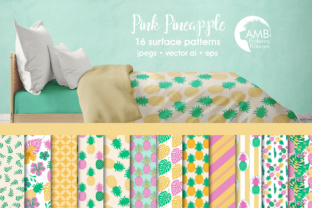
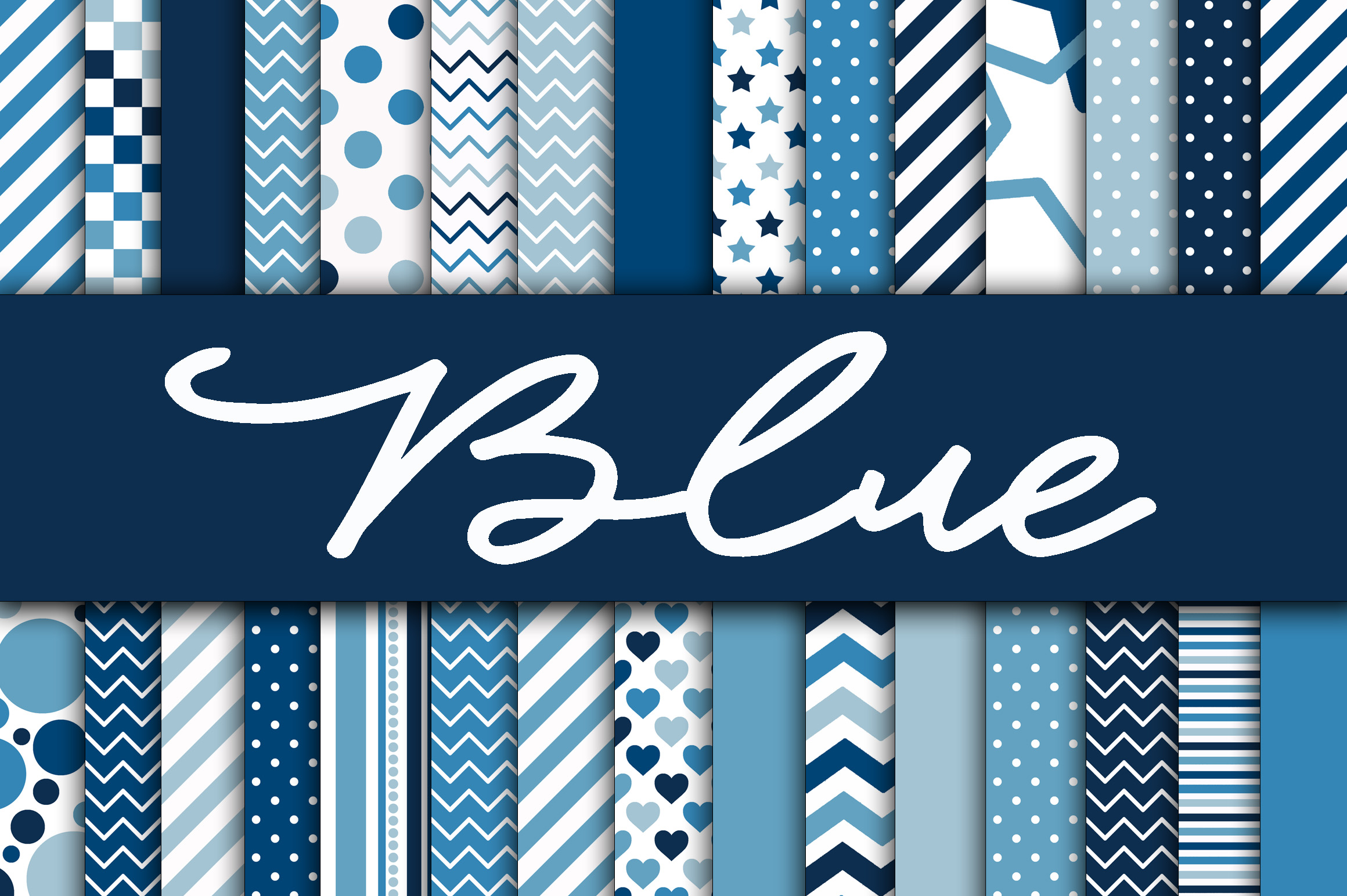
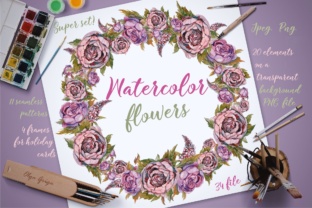
At their core, these Flower Designs are delivered as two complementary asset types: five seamless patterns and eleven standalone design elements. Each is provided in both EPS 10 (vector) and high-resolution JPEG (5000×5000 px, 300 dpi), with PNG versions of the elements featuring transparent backgrounds. This dual-format delivery supports flexibility without compromising fidelity—vectors scale infinitely for logos or signage; high-res rasters ensure crisp reproduction in printed stationery or large-format decor.
The patterns are truly seamless—tested across repeated tiling in design software—and designed with subtle variation in scale, density, and petal orientation to avoid mechanical repetition. The elements include individual blossoms, sprigs, wreaths, and stylized bouquets, each drawn with consistent line weight, color harmony, and illustrative personality: soft watercolor textures meet clean linework, and lettering integrates naturally—not as afterthoughts, but as part of the visual language.
How Flower Designs Fit Into Real-World Workflows
For card makers, these assets reduce time spent sourcing, editing, or aligning disparate graphics. A single seamless pattern can become the background for a holiday greeting card series—consistent across Christmas, Valentine’s Day, and Easter—while individual elements layer cleanly over photos or typography. Because the PNGs have transparency, they integrate directly into Canva, Adobe Express, or Affinity Designer without clipping masks or manual cleanup.
Holiday decoration projects benefit from scalability and cohesion. A wreath element might be resized for a digital invitation header, then printed at 24 inches for a wall banner. A pattern could wrap around gift boxes or serve as repeat fabric for DIY ornaments. The 300 dpi resolution ensures no pixelation when printed on premium cardstock or matte-finish vinyl.
Lettering and fun illustrations aren’t decorative add-ons—they’re integrated thoughtfully. For example, a “Joy” script might curve around a circular wreath element, or daisies might peek from behind hand-drawn “Happy Holidays” text. This integration means less time arranging components and more time refining messaging or layout.
Comparison With Other Floral Asset Options
Free floral vectors or stock photo collections often lack consistency: one rose may look painterly, another flat and geometric, making unified branding difficult. Public domain botanical engravings offer historical charm but rarely include modern color palettes, transparent backgrounds, or seamless tiling capability. AI-generated floral art can produce novelty quickly—but lacks predictable output, editable layers, or vector precision needed for professional use.
Custom illustration offers full control but requires budget, time, and clear creative direction. Off-the-shelf design bundles sometimes include floral motifs, but they’re frequently buried among unrelated themes (e.g., “Spring Bundle” with butterflies, rainbows, and teacups), diluting focus and usability. In contrast, these Flower Designs prioritize botanical cohesion—every pattern and element shares underlying stylistic logic, enabling intuitive mixing and matching.
Strengths and Tradeoffs to Consider
Strengths:
- Consistent style across all 16 assets—no visual whiplash when combining patterns and elements.
- Production-ready formats: EPS for infinite scaling, high-res JPEGs for print, PNGs with alpha channels for digital compositing.
- No licensing ambiguity—suitable for commercial use, including physical products like greeting cards, wrapping paper, or holiday ornaments.
- Designed for practical reuse: patterns tile without visible seams; elements sit naturally on light or dark backgrounds thanks to balanced contrast and intentional negative space.
Tradeoffs:
- Not customizable by color within the files themselves—though vector EPS files allow full recoloring in Illustrator or Affinity Designer, users unfamiliar with vector editing may need to rely on raster-based adjustments.
- Limited to the included 5 patterns and 11 elements—ideal for focused projects, but not a substitute for expansive libraries if you regularly need dozens of distinct motifs per season.
- No animated or interactive variants—these are static, print-and-digital assets only. Not suitable for web banners requiring motion or responsive SVG behavior.
When Flower Designs Are the Right Choice
These Flower Designs suit creators who value cohesion, efficiency, and technical reliability over sheer volume. If you’re producing a limited-run holiday card collection—say, six designs for a local boutique—and want every piece to feel part of the same visual story, this set delivers that continuity out of the box. Similarly, if you’re designing printable holiday décor—garlands, place cards, or advent calendars—and need assets that scale cleanly from 2 inches to 24 inches, the combination of vector and high-res raster formats eliminates guesswork.
They also work well for educators building themed lesson materials (e.g., a botany unit with custom worksheets) or hobbyists creating personalized calendars, scrapbook pages, or embroidery templates. The fun illustrations and integrated lettering lower the barrier to polished results—even without advanced design training.
When You Might Need a Different Option
If your workflow depends heavily on dynamic color theming—say, generating 20 variations of the same card with different palettes—tools with built-in recoloring engines or parametric design plugins may save more time than manually adjusting EPS files. Likewise, if you’re building a brand identity system requiring bespoke floral iconography tied to specific values (e.g., sustainability, heritage, minimalism), commissioning original illustration may better reflect nuanced brand voice.
For large-scale commercial printing where Pantone-matching or spot-color separation is required, verify whether your printer accepts EPS files with RGB swatches—or if you’ll need to convert to CMYK manually. While these Flower Designs include rich RGB color, conversion isn’t automatic and may require minor adjustment depending on output intent.
Making an Informed Decision
Evaluating Flower Designs isn’t about finding the “best” floral graphics—it’s about matching assets to your actual constraints: timeline, technical comfort, output format, and aesthetic goals. Ask yourself:
- Do I need consistency across multiple pieces—or variety across many themes?
- Will I be printing physically, publishing digitally, or both?
- How comfortable am I editing vector files, and do I have access to software that supports EPS?
- Is my priority speed and cohesion—or flexibility and expansion over time?
For many small studios, independent designers, and seasonal crafters, Flower Designs strike a practical balance: professional quality without overhead, artistic warmth without unpredictability, and versatility without bloat. They won’t replace every floral resource you own—but when applied deliberately, they simplify decisions, reduce revision cycles, and support outcomes that feel intentionally crafted, not assembled.