Bicycle Papers: Timeless Shabby Chic Digital Design for Modern Makers
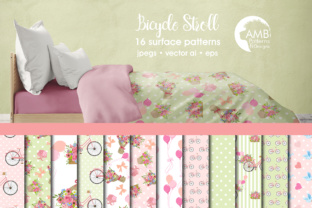
There’s a quiet shift happening in how creators approach design resources—away from generic, mass-produced assets and toward curated, stylistically cohesive collections that reflect intention, craftsmanship, and emotional resonance. Bicycle Papers embodies that shift. More than just a set of digital papers, it’s a thoughtfully composed toolkit built for people who value authenticity in aesthetic, precision in execution, and versatility in application. At its core lies AMB-1353: 16 elegant Shabby Chic bicycle-themed digital papers—each blending delicate florals, soft stripes, and playful polkadots with vintage-inspired bicycle motifs. Designed not as background filler but as foundational design elements, they support real-world creative work across physical and digital outputs.
Why Shabby Chic Still Resonates—Especially Now
Shabby Chic isn’t nostalgia for its own sake. It’s a visual language rooted in warmth, imperfection, and tactile memory—qualities increasingly sought after in a world saturated with hyper-polished, algorithm-driven imagery. Today’s audiences respond to design that feels handmade, considered, and human-scaled. That’s why the bicycle—a symbol of movement, independence, and gentle nostalgia—pairs so naturally with this aesthetic. The floral accents evoke garden parties and handwritten notes; the stripes suggest classic linen napkins and vintage book spines; the polkadots add lightness and rhythm without overwhelming. Together, they form a palette that works equally well for a baby shower invitation printed on textured cardstock or a limited-run fabric line for small-batch apparel brands.
From Concept to Creation: How These Papers Fit Real Workflows
Modern creators rarely work in isolation—they move fluidly between platforms, formats, and audiences. A freelance designer might use one pattern for a client’s boutique wedding stationery, then repurpose a cropped detail as a social media banner. An educator preparing classroom materials could print a polkadot bicycle paper as a reward chart background. A small-batch clothing label may license the files to digitally print onto organic cotton tees or baby onesies—knowing each 12×12 inch JPEG at 300 dpi scales cleanly for both screen and fabric output.
That flexibility is intentional. Each of the 16 patterns is delivered as a standalone high-resolution JPEG—not embedded in layered PSDs or locked in proprietary software. That means no extra steps to extract, no compatibility headaches, and immediate usability in Canva, Adobe Illustrator, Affinity Designer, Cricut Design Space, or even basic word processors. For entrepreneurs managing tight timelines, that translates directly into fewer roadblocks and faster iteration.
Practical Applications Beyond the Obvious
Yes, these papers shine in greeting cards and scrapbooking—their origins in analog craft are unmistakable. But their utility extends further, quietly supporting evolving creative economies:
- Small business branding: A café launching a “Bike & Bloom” summer menu can use a floral-bicycle paper as the background for takeout bag labels or loyalty cards—creating visual continuity without hiring a full brand designer.
- Educational tools: Teachers incorporate subtle bicycle motifs into reading logs or math worksheets to engage young learners without distracting from content—especially effective in early childhood or special education settings where visual cues aid comprehension.
- Digital product development: Bloggers and course creators embed scaled-down versions into printable planners or habit trackers, adding charm while maintaining readability and function.
- Community-led events: Neighborhood bike parades, farmers’ markets, or library story hours use the designs for banners, signage, and volunteer badges—reinforcing local identity through shared visual language.
What Sets These Bicycle Papers Apart From Other Digital Assets
It’s not just about theme—it’s about fidelity to craft. Every bicycle illustration, flower cluster, and stripe alignment was drawn or composed originally—not sourced from clipart libraries or AI-generated prompts. That distinction matters. Original artwork carries consistent line weight, intentional spacing, and harmonious color balance—details that become visible when printed at scale or viewed up close on packaging. When you’re printing cupcake toppers for a bridal shower or sewing fabric labels for artisan soap, those subtleties affect perceived quality and brand trust.
Also notable: the restraint in palette and composition. Unlike trend-chasing kits that overload with textures, gradients, or competing motifs, Bicycle Papers prioritizes breathing room. Stripes aren’t rigid or mechanical—they soften at the edges. Polkadots vary slightly in size and placement, echoing hand-stamped repetition. Flowers bloom asymmetrically, avoiding artificial symmetry. This attention to organic rhythm makes the collection feel alive—not static.
Meeting Changing Expectations—Without Compromise
Today’s users expect more than “pretty.” They want transparency (clear usage rights), adaptability (cross-platform compatibility), and longevity (designs that won’t look dated in six months). Bicycle Papers answers that by anchoring itself in enduring aesthetics rather than fleeting trends. While minimalist or maximalist styles rise and fall in popularity, Shabby Chic endures because it meets a fundamental need: to create spaces—and objects—that feel safe, personal, and gently joyful.
This also aligns with broader lifestyle shifts: the resurgence of slow crafting, the preference for locally made goods, and the desire to personalize everyday items—from reusable shopping bags to custom baby blankets. A designer choosing these papers isn’t just selecting a background; they’re opting into a values-aligned creative process—one that honors materiality, narrative, and care.
Getting Started—No Special Tools Required
You don’t need advanced design skills to begin. Start small: open one JPEG in your preferred editing tool, crop a section for a gift tag, adjust brightness for contrast on kraft paper, and print. Or layer two patterns—one as a base, another as an overlay with reduced opacity—for depth in a digital invitation. Because all 16 papers share the same dimensions and resolution, mixing and matching maintains consistency across projects. And since they’re delivered as ready-to-use JPEGs, there’s no learning curve around file types or software limitations.
For those integrating into larger systems—like Shopify stores using downloadable digital products or Etsy sellers bundling printable party kits—these files slot in seamlessly. No conversion needed. No risk of pixelation on large-format prints. Just reliable, expressive design assets that support your voice—not override it.
A Resource Built for Growth, Not Just Decoration
Design assets should grow with you—not limit you. Whether you’re prototyping your first product line, building a portfolio for client work, or refreshing your studio’s visual identity, Bicycle Papers offers scaffolding, not prescription. Its strength lies in what it enables: clearer communication through thoughtful visuals, stronger emotional connection through authentic styling, and more efficient production through technical readiness.
That’s the quiet power of well-made digital papers. They don’t shout. They support. They adapt. And in doing so, they help creators focus less on wrestling with assets—and more on bringing meaningful ideas into the world.