Lumberjack Papers AMB: A Strategic Design Resource for Purpose-Driven Creators
High-quality, cohesive digital paper packs aren’t just decorative assets—they’re operational tools. Lumberjack Papers AMB stands out not because it’s themed, but because its design integrity, technical execution, and intentional versatility support real-world outcomes. Whether you’re launching a small-batch apparel line, designing a woodland-themed wedding suite, or building a branded educator resource kit, this pack delivers more than aesthetics—it delivers consistency, control, and creative leverage.
What Lumberjack Papers AMB Actually Is—and Why That Matters
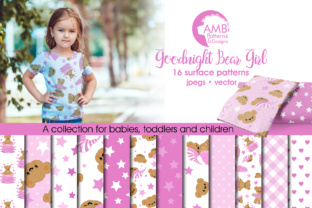
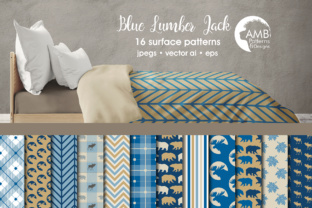
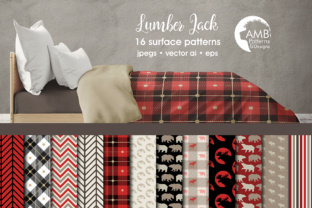
Lumberjack Papers AMB is a curated collection of original, high-resolution digital papers—each 12 inches × 12 inches at 300 dpi, delivered as individual JPEG files. The core visual language combines authentic red-and-black plaid motifs with hand-drawn animal patterns (think foxes, owls, bears, and pine-laden critters), all rendered in balanced scale, tone, and texture. Critically, every pattern is built from original clipart and custom-designed elements, not stock derivatives or AI-generated composites. That distinction affects scalability, licensing clarity, and brand coherence—especially when printing on fabric, packaging, or signage.
This isn’t “cute lumberjack wallpaper.” It’s a foundational layer for visual systems. When your product labels, planner inserts, and event invitations share the same underlying paper grain, color balance, and motif rhythm, customers subconsciously register continuity—even before reading a word.
Where Intentional Use Creates Real Leverage
Strategic value emerges not from how many items you *can* make with Lumberjack Papers AMB, but from where those items intersect with your goals:
- Branding reinforcement: A small business selling handmade flannel shirts can use the red-and-black plaid papers for hang tags, care instructions, and social media story backgrounds—creating a unified sensory impression across touchpoints.
- Operational efficiency: Educators preparing seasonal lesson kits can print matching flashcards, reward stickers, and bulletin board borders from the same source file—reducing design time by 60–70% per project cycle.
- Customer experience depth: Wedding planners using the animal-patterned papers for cupcake toppers, seating charts, and thank-you card liners create layered, tactile moments that elevate perceived value without increasing labor costs.
- Product extension logic: A stationery brand launching a “Forest Folk” planner line can extend one plaid pattern into washi tape, printable sticker sheets, and fabric-bound cover options—all sourced from the same original file, ensuring color and scale fidelity.
The pack’s flexibility—across party décor, scrapbooking, gift wrap, ribbons, t-shirts, baby clothes, buttons, and printed fabrics—is only useful if aligned with your audience’s expectations and your capacity to execute consistently.
When to Reach for Lumberjack Papers AMB (and When Not To)
Use Lumberjack Papers AMB when:
- You need fast, professional-grade print-ready assets for physical products—not just screen-based mockups.
- Your brand or campaign has an established rustic, outdoorsy, or artisanal positioning—and you want to deepen that narrative visually, not dilute it with generic patterns.
- You’re managing multiple deliverables (e.g., invitation + menu + favor tag) and require guaranteed color matching and motif harmony.
- You lack in-house design bandwidth but still demand output that reflects craft-level attention to detail.
Avoid relying on it when:
- Your audience associates “lumberjack” with cliché rather than authenticity—e.g., urban tech startups or luxury skincare brands may find the aesthetic misaligned without significant reinterpretation.
- You’re working under tight deadlines but haven’t pre-tested how the red-and-black palette renders on your specific printer, fabric type, or label stock—color shifts at 300 dpi are subtle but consequential.
- You assume “more patterns = more options,” without auditing whether each plaid or animal motif serves your message. Overuse fragments attention; selective use builds recognition.
Planning Tips for Long-Term Value
Before downloading or deploying Lumberjack Papers AMB, ask three questions:
- What outcome am I trying to influence? Is it faster production? Stronger brand recall? Higher perceived quality at retail? Let that answer dictate which papers you prioritize—not which ones you like most.
- Where will this be seen—and by whom? A plaid paper works beautifully on kraft gift wrap for a local farmers’ market but may feel tonally off on a sleek black invitation for a corporate retreat. Context governs appropriateness.
- What’s my reuse threshold? One well-placed animal pattern on a planner cover can anchor a whole product line—if you plan to extend it to stickers, digital headers, and embroidery later. Random usage erodes equity; sequenced usage compounds it.
Also consider practical constraints: JPEG format means no transparency or vector scalability. If you need cut-out shapes for vinyl decals or layered digital overlays, pair Lumberjack Papers AMB with compatible PNG elements—or budget time for manual masking. Its strength lies in surface coverage, not intricate isolation.
Risks of Using Without Strategy
Without clear intent, even high-quality resources like Lumberjack Papers AMB introduce hidden friction:
- Visual fatigue: Repeating the same plaid across ten different product types without variation in scale, contrast, or placement dulls impact over time—especially in digital feeds where scroll speed is high and attention is low.
- Brand drift: Using animal motifs on baby clothes while also applying them to coffee sleeves for a café risks confusing audience perception—unless both share the same core identity (e.g., “locally rooted, nature-inspired community hub”).
- Production mismatch: Assuming 300 dpi JPEGs will translate flawlessly to woven fabric or heat-transfer vinyl without testing leads to pixelation, bleeding, or muted tones—costing time, materials, and credibility.
These aren’t flaws in the pack. They’re reminders that tools amplify intention—not replace it.
Making Decisions That Compound Over Time
The highest ROI from Lumberjack Papers AMB comes not from volume, but from iteration. Start narrow: pick one paper, one use case, one audience segment. Test it—print it, photograph it in context, gather feedback. Then expand deliberately: add a second pattern only if it solves a new problem (e.g., “We need softer contrast for children’s activity sheets”) or extends a proven success (e.g., “Customers loved the plaid tags—let’s apply that same rhythm to our new gift box liner”).
Think of each paper as a note in a chord—not a solo instrument. Red-and-black plaid sets the bassline. Animal patterns add melodic texture. Consistent resolution and original artistry ensure the harmony holds across mediums. That’s how a digital paper pack becomes part of your operational infrastructure—not just a one-off download.
Ultimately, Lumberjack Papers AMB earns its place in your toolkit when it supports decisions—not distracts from them. When it helps you ship faster, communicate clearer, or stand out with integrity. That kind of utility doesn’t come from trend-chasing. It comes from aligning asset quality with purposeful application.